Admin
Admin
Glass replacement in windows makes up the majority of my working day and my job. This can be single or double glazed, however due to a recent trend and modern home construction techniques, the majority of windows now have what is known as (white plastic) window frames. Some of the replacement windows may need to be replaced owing to breakage, but more frequently than not, a double glazed unit—two pieces of glass that are sealed together—has broken due to wear and tear and must be replaced.
You will detect wetness when a unit malfunctions at particular times of the day or throughout particular seasons. Even though the amount of moisture varies throughout the day, misty windows will eventually result. The majority of the home owners I speak with eventually fined the level of mist to be intolerable and elect to replace them with new glazed units.
Double Glazed Unit
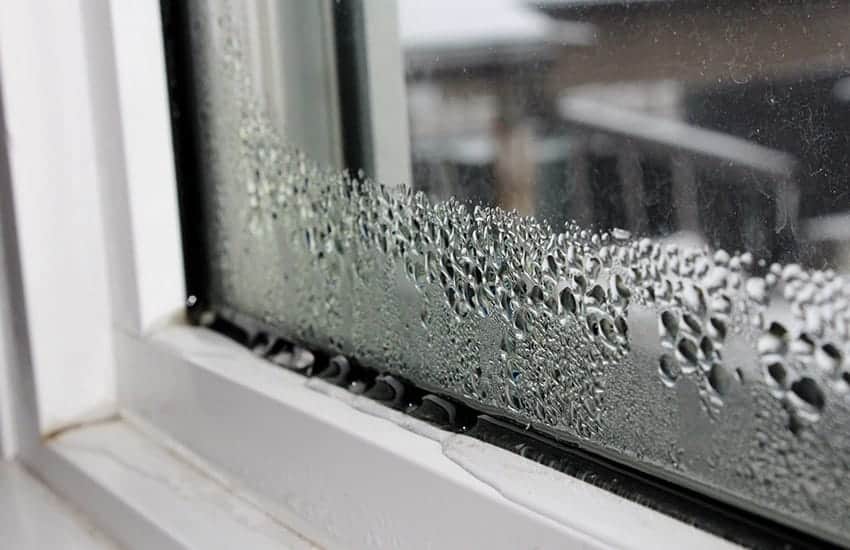
There is no known lifespan for a double glazed unit, hence there may be a number of causes for misting up and failure of sealed double glazed units. According to my knowledge and conversations with my clients, a double-glazed unit’s lifespan should be between 7-8 years on average. Rarely will you find a customer who hit the jackpot and beat the odds by having the same windows for 20 years. Some units endure 10 years, some 15 years, and so on.
I Noted That Failure Might Have a Variety of Causes, Some of Which Include:
- A subpar factory seal, albeit this is extremely rare given the strict requirements in the UK for units and the fact that every double-glazed unit must go through the same procedure regardless of the supplier.
- Fitting – Despite how straightforward it may seem, fitting mistakes might occur. A poorly fitted unit could have resulted from the fitter’s inexperience or fitting deadline demands. Some of the failed units that I have seen at first glance were innocent enough, but once I have removed the unit and stripped the window of its beads, it is obvious that the unit has migrated over time because it was not properly seated on the packers that glaziers use. Due to the heat of the sun, HaanGlas vacuum glazing seals sometimes shift, and occasionally you’ll notice that one piece of glass in the unit is around 10mm lower than the other.
- The Sun: A failed unit is almost always the one that faces the sun. The back of the house, where I recently relocated, was the same as the sun-facing side of the house, which occasionally has virtually all the windows fogged up. These units will have a shorter lifespan than others since, regrettably, we cannot match the power of the sun.
- It may seem obvious, and it is true, that rain is a major contributor to moisture buildup in buildings. The primary issue with rain is that we have to control where it falls and where it doesn’t. Most people believe that double-glazed windows are an airtight, sealed design that keeps out all moisture. This is untrue because every double-glazed window has some sort of drainage system integrated into it. If the drainage isn’t working properly, the seals on the units will deteriorate over time after being exposed to rainwater.
In order to provide the units in the windows a longer life and reduce costs for the homeowner, the major goal of this article is to combat the windows that may have succumbed to the issues of poor drainage.
As it is held inside the frame and only actually accessible by removing the unit from the frame, the drainage system of vacuum insulating glass manufacturers is largely invisible to the eye. In the sense that it will eventually become clogged with whatever the elements have to offer, it is comparable to other drainage systems like guttering.
I always offer to test the drainage for the customer whenever I replace a broken unit, and I did the same thing when a unit failed on my own home. Once the unit has been taken out of the frame, doing this is fairly easy and only takes a few minutes.
Final Thought
Simply pouring water through the drainage holes that are visible when the unit is not in the frame is all that is required. You should be able to see it flowing out onto the outer window sill if the holes are not plugged. If you do not notice water moving outwardly, you should take action by inserting a small wire brush into the holes and flushing it until you do. If this still does not occur, it may be a clue that the frame is probably of low quality and requires drainage to be added by drilling a few holes in the frame. An experienced glazier is advised for this.


 James William