James William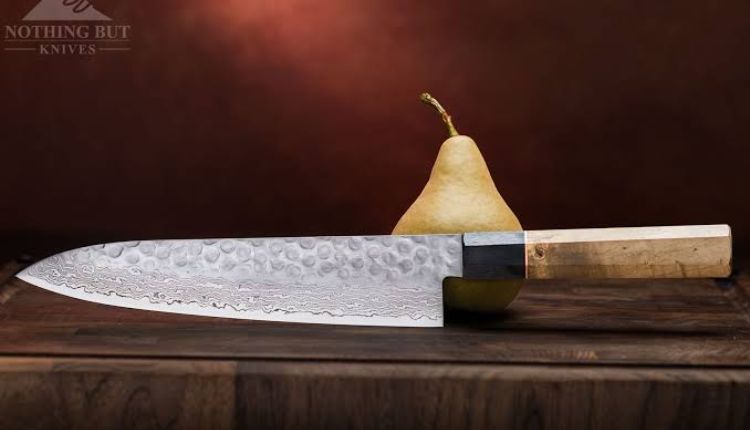
Cooking is both an art and a daily necessity, and having the right tools can significantly improve the experience. Among the many kitchen tools available today, Japanese style chef knives have earned a reputation for exceptional craftsmanship, precision, and performance. Professional chefs and home cooks alike appreciate these knives for their ability to make food preparation easier and more enjoyable.
The popularity of Japanese style chef knives continues to grow because they combine traditional blade-making techniques with modern innovations. Whether slicing vegetables, trimming meat, or preparing delicate seafood, these knives deliver impressive results. Their sharp edges, lightweight designs, and elegant appearance make them stand out from many conventional kitchen knives.
At the same time, many cooks search for razor sharp cooking blades that can maintain their edge through repeated use. They also want durable kitchen slicing tools capable of handling everyday kitchen tasks without losing effectiveness. Japanese-inspired knife designs often meet these expectations, making them a trusted choice for kitchens around the world.
The Heritage Behind Japanese Style Chef Knives
Japanese knife-making traditions date back hundreds of years. Skilled craftsmen originally developed techniques for forging samurai swords, and many of those principles eventually influenced kitchen knife production. The focus on precision, balance, and blade quality became a defining characteristic of Japanese cutlery.
Modern Japanese style chef knives continue this legacy by emphasizing attention to detail. Manufacturers carefully select materials and apply advanced heat-treatment processes to create blades that remain sharp for extended periods. This dedication to quality has helped Japanese knives earn international recognition among culinary professionals.
The heritage behind these knives is not only about functionality but also about craftsmanship. Each blade often reflects a commitment to excellence that has been passed down through generations.
What Makes Japanese Style Chef Knives Unique
One of the most noticeable features of Japanese style chef knives is their thinner blade profile. Compared to many Western-style knives, they are designed to make cleaner and more precise cuts. This allows ingredients to retain their texture and appearance during food preparation.
Another distinguishing characteristic is their exceptional sharpness. Many users specifically seek razor sharp cooking blades because they require less force when cutting. This reduces strain on the hands and improves control, making food preparation more efficient.
The balance of these knives also contributes to their popularity. Their lightweight construction enables users to perform repetitive cutting tasks with greater comfort. Whether chopping herbs or slicing vegetables, the knife feels responsive and easy to maneuver.
Benefits of Razor Sharp Cooking Blades
Sharpness plays a crucial role in kitchen performance. Razor sharp cooking blades offer several advantages that improve both safety and efficiency. Contrary to common belief, a sharp knife is often safer than a dull one because it requires less pressure to cut through food.
When a blade is extremely sharp, it glides through ingredients smoothly and accurately. This precision helps maintain uniform slices, which is especially important when preparing dishes that rely on consistent cooking times.
Fresh ingredients also benefit from cleaner cuts. Delicate herbs, fruits, and vegetables are less likely to be crushed or damaged when cut with razor sharp cooking blades. As a result, they retain their natural appearance and texture.
Professional chefs frequently rely on sharp knives to enhance productivity in busy kitchens. Faster and more precise cutting allows them to focus on creativity and presentation rather than struggling with inefficient tools.
The Importance of Durable Kitchen Slicing Tools
Durability is another essential factor when choosing kitchen knives. Durable kitchen slicing tools provide long-term value and reliable performance, making them a worthwhile investment for serious cooks.
High-quality blade materials contribute significantly to durability. Many Japanese-inspired knives use premium stainless steel or specialized high-carbon steel. These materials offer excellent edge retention while resisting wear and corrosion.
Strong construction also ensures that the knife can withstand daily use. From preparing vegetables to portioning proteins, durable kitchen slicing tools are designed to handle a wide range of culinary tasks without compromising performance.
Regular maintenance further enhances durability. Proper cleaning, drying, and storage help preserve the blade and maintain its effectiveness over time.
Choosing the Right Knife for Your Kitchen
Selecting the right knife depends on individual cooking habits and preferences. Some users prefer versatile chef knives that can handle multiple tasks, while others may seek specialized blades for specific ingredients.
When evaluating Japanese style chef knives, consider factors such as blade length, weight, handle design, and steel type. A comfortable handle improves control and reduces fatigue during extended use.
Blade length should match the tasks you perform most often. Smaller knives offer greater precision for detailed work, while longer blades excel at slicing larger ingredients.
Quality should remain a top priority. Investing in a well-crafted knife often results in better performance and a longer lifespan compared to lower-cost alternatives.
Maintenance Tips for Long Lasting Performance
Proper maintenance helps preserve the sharpness and durability of kitchen knives. Even the finest blades require regular care to maintain optimal performance.
Hand washing is generally recommended instead of using a dishwasher. Harsh detergents and high temperatures can negatively affect the blade and handle materials.
Using appropriate cutting surfaces is equally important. Wooden or high-quality plastic cutting boards help protect the edge, while hard surfaces such as glass can cause premature dulling.
Periodic sharpening ensures that razor sharp cooking blades continue to perform at their best. Many users choose whetstones for sharpening because they allow precise edge maintenance.
Safe storage also contributes to longevity. Knife blocks, magnetic strips, and protective blade guards help prevent accidental damage and maintain blade integrity.
Why Professional Chefs Trust Japanese Style Chef Knives
Professional chefs often choose Japanese style chef knives because they offer a combination of sharpness, precision, and comfort. These qualities are especially valuable in demanding kitchen environments where efficiency matters.
The ability to create clean, accurate cuts enhances food presentation and consistency. Chefs appreciate how razor sharp cooking blades allow them to work quickly without sacrificing quality.
Additionally, durable kitchen slicing tools provide dependable performance throughout long shifts. Their reliability helps professionals maintain productivity while minimizing interruptions caused by equipment issues.
As culinary standards continue to evolve, Japanese-inspired knives remain a trusted choice among experts who value craftsmanship and performance.
Conclusion
Japanese style chef knives have become a favorite among cooks worldwide due to their exceptional craftsmanship, precision, and cutting performance. Their reputation is built on centuries of blade-making tradition combined with modern manufacturing techniques.
Whether you are looking for razor-sharp cooking blades that deliver effortless cutting or durable kitchen slicing tools that can withstand years of use, these knives offer a compelling solution. By selecting a high-quality knife and maintaining it properly, you can enhance your cooking experience and enjoy reliable performance for many years.